PERFORMANCE & FILM
UPCOMING EVENT
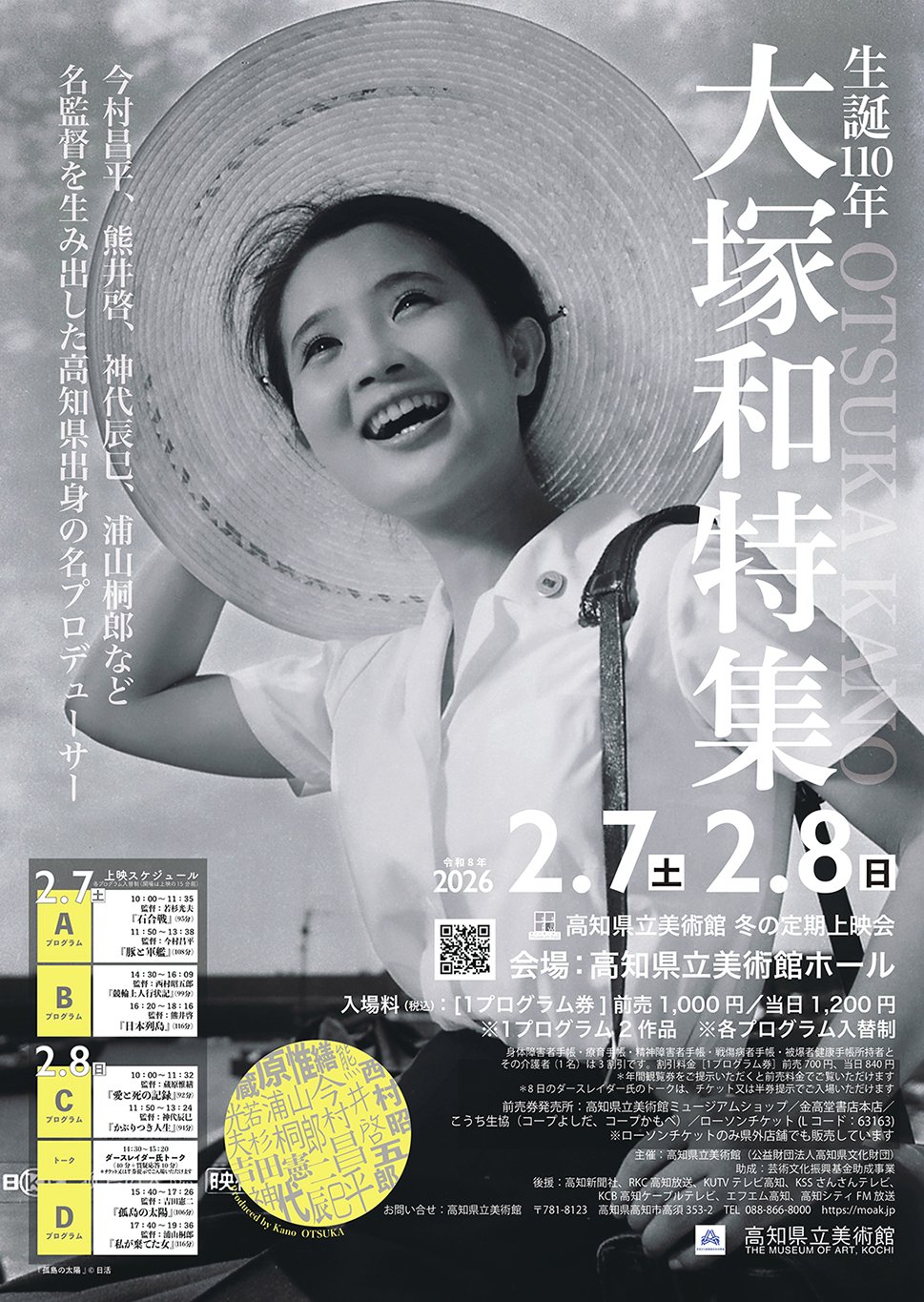
Winter Screening 110th Birth Anniversary: Kochi-born Film Producer Kano Otsuka
Sat. 07 Feb. 2026 - Sun. 08 Feb. 2026
Screening Dates | Sat, Feb 7 & Sun, Feb 8, 2026 (Reiwa 8)
Venue | The Museum of Art, Kochi (MOAK), Hall
Admission
[Single-Program Ticket] Advance: JPY 1,000 / Door: JPY 1,200 (tax incl.)
Discount (30% off) Holders of a Physical Disability Certificate, Rehabilitation Certificate, Mental Disability Health and Welfare Certificate, War Injury/Sickness Certificate, or Atomic Bomb Survivor's Health Handbook, and one accompanying caregiver, are eligible for a 30% discount.
[Discount Price] Single-Program Ticket: Advance JPY 700 / Door JPY 840 *Discount not available via Lawson Ticket.
Annual Pass Holders Present your Annual Pass to purchase tickets at the advance price.
Darthreider Talk (Feb 8)
Admission with a ticket or ticket stub.
Advance Ticket Outlets
-
MOAK Museum Shop *Japanese only
TEL: 088-866-7653 (9:00-17:00) -
Kinkōdō Bookstore (Main Store) (2-2-9 Obiyamachi, Kochi City) *Japanese only
TEL: 088-822-0161 (10:00-20:45) -
Kochi Co-op *Japanese only
Coop Yoshida (6-6 Yoshida-machi, Kochi City) / Coop Kamobe (2-4-43 Kamobe, Kochi City) -
Lawson Ticket (L-code: 63163)
Organized by The Museum of Art, Kochi (Kochi Prefecture Cultural Foundation, Public Interest Incorporated Foundation)
Supported by Japan Arts Council Fund for the Creation of Culture and the Arts
In Cooperation with Kochi Shimbun; RKC Kochi Broadcasting; KUTV TV Kochi; KSS Sansan Television; FM Kochi; KCB Kochi Cable TV; Kochi City FM Broadcasting
Inquiries
The Museum of Art, Kochi (MOAK)
TEL: 088-866-8000
A special spotlight on Kano Otsuka, a celebrated film producer from Kochi Prefecture who helped bring forth master directors such as Shōhei Imamura, Kei Kumai, Tatsumi Kumashiro, and Kirio Urayama!
Program Overview
Kano Otsuka produced numerous masterpieces that remain landmarks in the history of Japanese cinema. Born in 1915 (Taishō 4) in Tamura, Nankoku City, Kochi Prefecture, Otsuka was the youngest of nine siblings. After graduating from the Tokyo School of Foreign Languages (now Tokyo University of Foreign Studies), he joined Eiga Sekai-sha (Film World Company).
After the war, he was invited by Jūkichi Uno to join the theatre company Mingei. While still affiliated with Mingei, he went on to sign a producer contract with Nikkatsu and went on to produce a wide range of highly original works, many of which earned major awards. He was also known for actively supporting emerging directors, producing many debut features, and helping launch new careers.
On Sunday, February 8, we welcome as a guest Darthreider (Rei Wada), a rapper and musician who is Otsuka’s great-grandchild, to speak about Otsuka from the perspective of his family.
Throughout his life, Otsuka produced 130 films. Enjoy this carefully curated selection of eight films, each directed by a different filmmaker.
>>> PROGRAM SCHEDULE <<<
Sat, Feb 7, 2026
[Program A]
10:00–11:35 Children(『石合戦』)Dir. Mitsuo Wakasugi
11:50–13:38 Pigs and Battleships(『豚と軍艦』)Dir. Shōhei Imamura
[Program B]
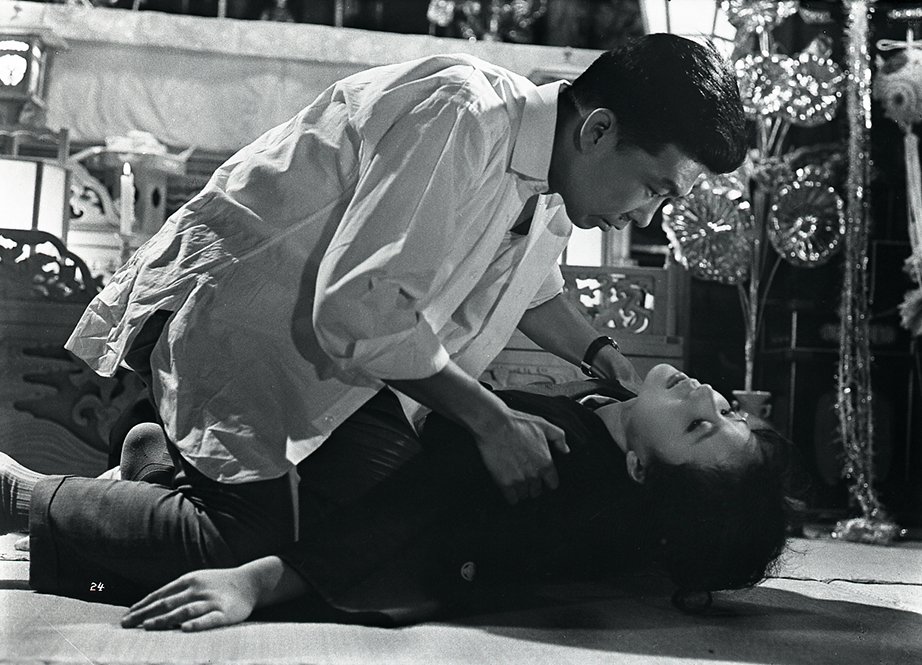
14:30–16:09 The Gambling Monk(『競輪上人行状記』)Dir. Shōgorō Nishimura
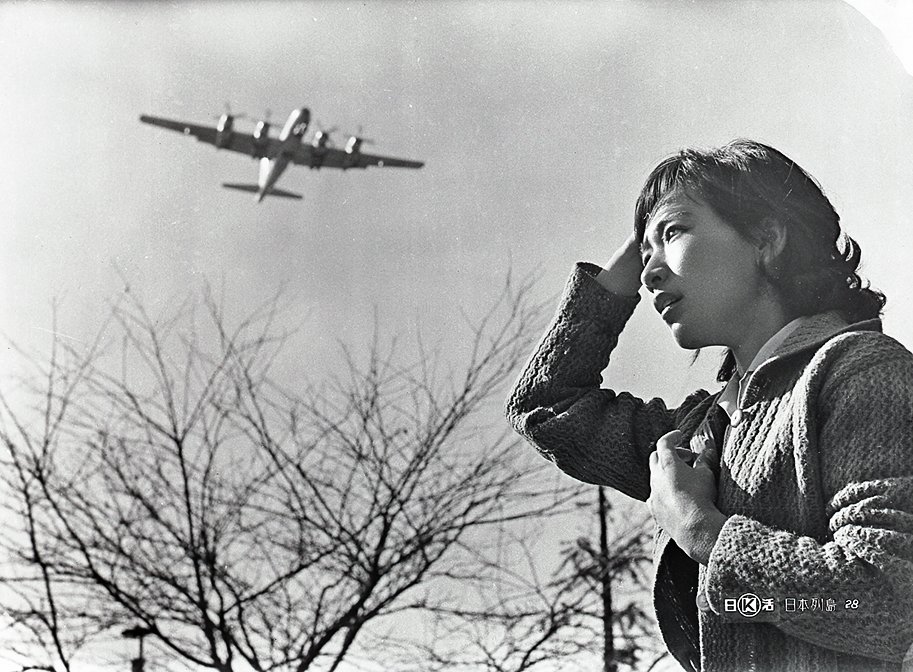
16:20–18:16 A Chain of Islands(『日本列島』)Dir. Kei Kumai
Sun, Feb 8, 2026
[Program C]
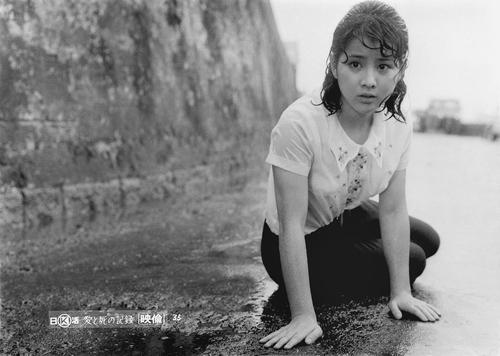
10:00–11:32 The Heart of Hiroshima(『愛と死の記録』)Dir. Koreyoshi Kurahara
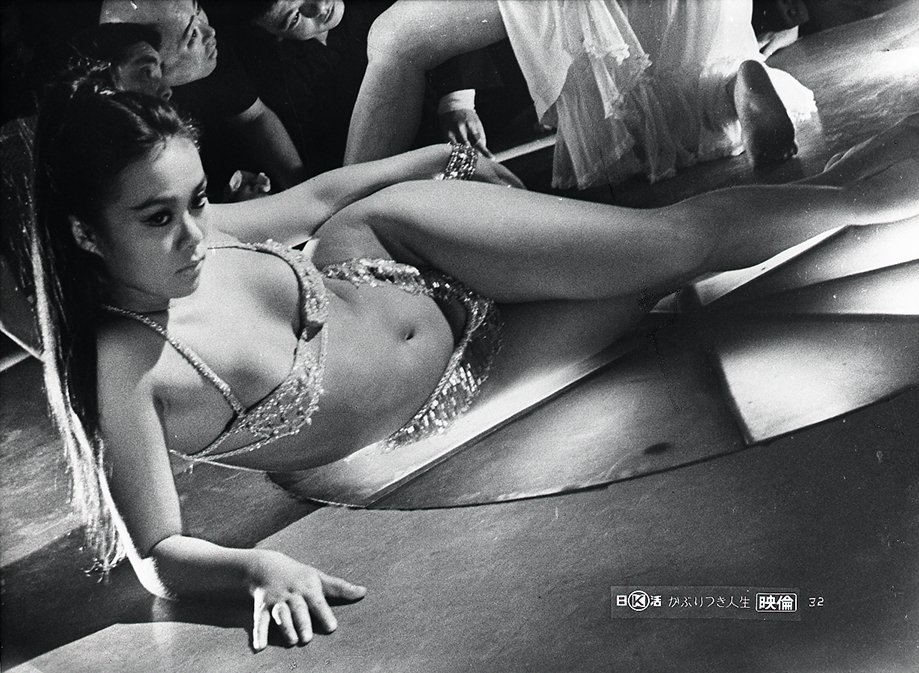
11:50–13:24 Front Row Life(『かぶりつき人生』)Dir. Tatsumi Kumashiro
14:30–15:20 Talk with Darthreider
Admission with a ticket or ticket stub.
[Program D]
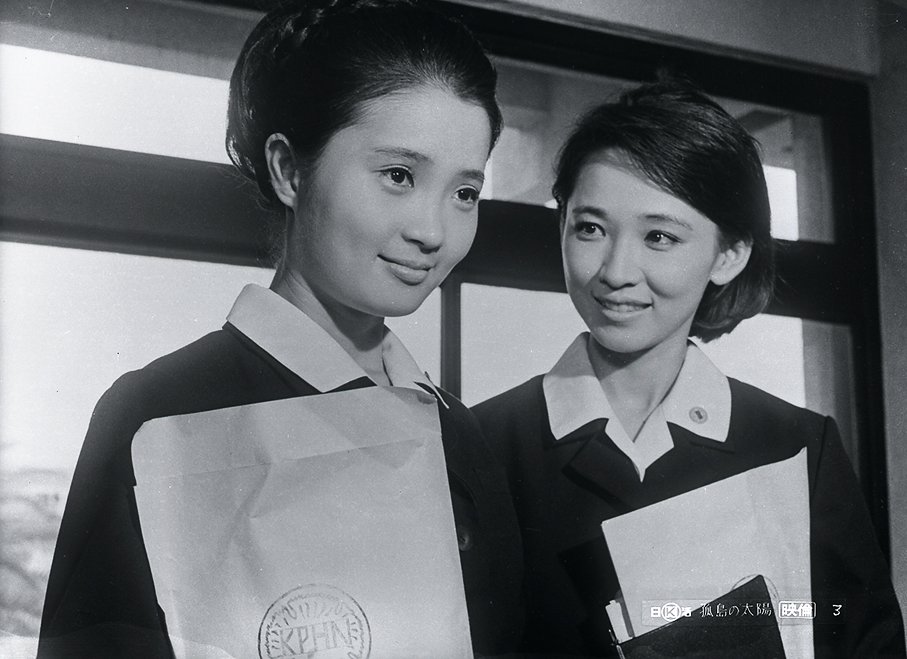
15:40–17:26 No Greater Love Than This(『孤島の太陽』)Dir. Kenji Yoshida
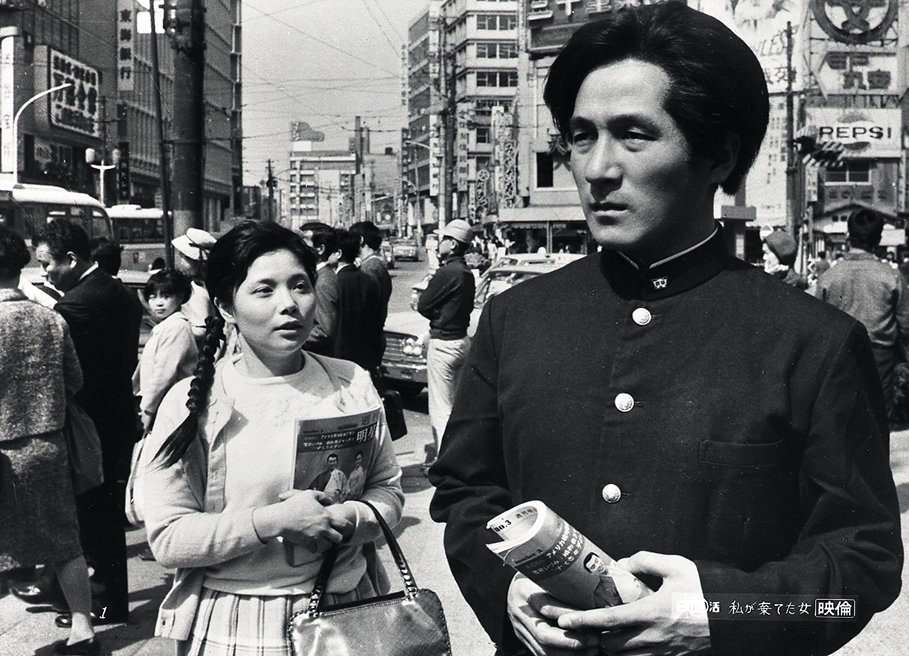
17:40–19:36 The Girl I Abandoned(『私が棄てた女』)Dir. Kirio Urayama
Program A (Sat, Feb 7, 10:00–)
1) Children(『石合戦』Ishi Kassen -Stone Fight)
Sat, Feb 7 | 10:00–11:35
1955 / 95 min / BD
Director: Mitsuo Wakasugi / Original story: Shoken Kamitsukasa
Screenplay: Seishi Matsumaru, Ryuichi Yoshida, Ado Matsuyama / Cinematography: Hanjirō Nakazawa / Lighting: Kinzo Yoshizawa / Art Director: Minoru Esaka / Music: Kei Kusakawa / Editing: Akiyasu Kōno / Sound: Ichirō Katō
Cast: Mitsuhiro Hamada (Mitsuo Hamada), Sakae Ozawa, Isuzu Yamada, Taketoshi Naitō, Jūkichi Uno
Across the Inagawa River running through the center of the village, children from two settlements constantly battle over a swimming spot, and each dispute erupts into a “stone fight.” Takemaru Kamikami is the only son of a Shinto priest serving at Tada Shrine. Gentle but timid, Takemaru is always made to carry stones for the gang leader whenever the fights begin. Yet he keeps both swimming and stone-throwing a secret from his bedridden mother.
Mitsuo Hamada was discovered by director Wakasugi and chosen as the lead for this film.
2) Pigs and Battleships(『豚と軍艦』Buta to Gunkan - Pigs and Battleships)
Sat, Feb 7 | 11:50–13:38
1961 / 108 min / BD
Director: Shōhei Imamura
Screenplay: Hisashi Yamauchi / Cinematography: Masahisa Himeda / Lighting: Yasuo Iwaki / Art Director: Kimihiko Nakamura / Music: Toshiro Mayuzumi / Editing: Mutsuo Tanji / Sound: Fumio Hashimoto / Assistant Director: Kirio Urayama
Cast: Hiroyuki Nagato, Jitsuko Yoshimura, Masao Mishima, Shōichi Ozawa, Tetsurō Tamba, Takeshi Katō
When a U.S. Navy ship comes into port, the town’s entertainment district, packed with cabarets catering to sailors, suddenly comes alive. But a crackdown by the authorities leaves an illegal prostitution household in dire straits. Their scheme for survival: raise pigs on leftovers from the base and make a fortune through mass pig farming.
Otsuka himself said this film left a particularly strong impression among Imamura’s works. A hallmark of Imamura’s dark, boisterous comedy, it’s said that two to three hundred pigs were borrowed each day from a pig farm for the shoot.
Program B (Sat, Feb 7, 14:30–)
1) Gambling Monk(『競輪上人行状記』Keirin Shōnin Gyōjōki - Saint of the Track Record)
Sat, Feb 7 | 14:30–16:09
1963 / 99 min / BD
Director: Shōgorō Nishimura / Original story: Daikichi Terauchi
Screenplay: Nobuyuki Ōnishi, Shōhei Imamura / Cinematography: Kazue Nagatsuka / Lighting: Saburō Mio / Art Director: Yasuhiro Ōtsuru / Music: Toshiro Mayuzumi / Editing: Mutsuo Tanji / Sound: Takinosuke Yagitaki / Assistant Director: Toshihachi Fujita
Cast: Shōichi Ozawa, Yōko Minamida, Aiko Itō, Misako Watanabe, Kaoru Katō, Takeshi Katō
The death of the abbot of Hōji Temple brings the second son back to the temple, a man who hated being a priest and had run away to become a middle-school teacher. His father Genkai seizes the chance to hand over the run-down temple and even seriously entertains the idea of pairing him with his widowed sister-in-law. With the temple’s revival stalled and new religions gaining ground, the second son stops by a keirin (bicycle-racing) track on his way back from soliciting donations, and…
Nishimura’s directorial debut, and widely regarded as his finest work before his later Nikkatsu Roman Porno period.
2) A Chain of Islands(『日本列島』Nihon Rettō - The Japanese Archipelago)
Sat, Feb 7 | 16:20–18:16
1965 / 116 min / BD
Director: Kei Kumai / Original story: Kōichirō Yoshihara
Screenplay: Kei Kumai / Cinematography: Masahisa Himeda / Lighting: Yasuo Iwaki / Art Director: Kazuhiko Chiba / Music: Akira Ifukube / Editing: Mutsuo Tanji / Sound: Norio Numakura / Assistant Director: Akira Miura
Cast: Jūkichi Uno, Izumi Ashikawa, Akira Niyatani, Mizuhō Suzuki, Akio Mutō, Tsutomu Shimomoto
A U.S. military interpreter whose wife was killed by an American soldier is asked to investigate the mysterious death of a U.S. sergeant. With the help of a police inspector and a newspaper reporter, he travels from north to south across Japan in search of a key figure. Along the way, a counterfeit-money case, the murder of a flight attendant, and the escape of a foreign priest from the country all unfold. A documentary-like work that traces CIA machinations under the U.S. occupation.
The director has remarked that an ordinary producer would never have attempted to film material like this.
Program C (Sun, Feb 8, 10:00–)
1) The Heart of Hiroshima(『愛と死の記録』Ai to Shi no Kiroku - Record of Love and Death)
Sun, Feb 8 | 10:00–11:32
1966 / 92 min / BD
Director: Koreyoshi Kurahara
Screenplay: Kiichi Ōhashi, Yoshio Kobayashi / Cinematography: Masahisa Himeda / Lighting: Yasuo Iwaki / Art Director: Yasuhiro Ōtsuru / Music: Toshiro Mayuzumi / Editing: Mutsuo Tanji / Sound: Ken’ichi Benitani / Assistant Director: Kigen Kinoshita
Cast: Sayuri Yoshinaga, Tetsuya Watari, Izumi Ashikawa, Gorō Tarumi, Asao Sano, Osamu Takizawa
Kazue grows close to Yukio Mihara, whom she meets by chance in town and who works at a printing company, and their relationship blossoms into love. But Yukio was exposed to the atomic bomb at age four and lives with the uncertainty of when illness may strike. One day he collapses from anemia at work. At Peace Memorial Park, he tells Kazue about the fate he carries.
The film was originally planned with Mitsuo Hamada and Sayuri Yoshinaga, but just before shooting began Hamada suffered a tragic accident, and a newcomer, Tetsuya Watari, was hurriedly cast as his replacement.
2) Front Row(『かぶりつき人生』Kaburitsuki Jinsei)
Sun, Feb 8 | 11:50–13:24
1968 / 94 min / BD
Director: Tatsumi Kumashiro / Original story: Komimasa Tanaka
Screenplay: Tatsumi Kumashiro / Cinematography: Masahisa Himeda / Lighting: Yasuo Iwaki / Art Director: Yasuhiro Ōtsuru / Music: Riichirō Manabe / Editing: Akira Suzuki / Sound: Rokutoshi Ōta / Assistant Director: Akira Miura
Cast: Hatsue Tonooka, Shizu Niwa, Shuntarō Tamamura, Yoshihiro Nakadai, Hiroshi Ichimura, Hiroko Hanae
Yōko returns home from work when her mother Emiko announces she is finally going to marry a “serious man.” Emiko, now past her mid-thirties, is a traveling stripper. Her fiancé is Katsuchin, a soft-hearted boss of a street-stall gang. Yōko hopes they can live as mother and daughter at last, but Emiko soon follows Katsuchin back on the road.
Kumashiro’s directorial debut, portraying the vitality of a daughter who becomes a stripper in rebellion against her mother.
14:30–15:20 | Talk with Darthreider (40 min talk + 10 min Q&A)
Admission with a ticket or ticket stub.
Program D (Sun, Feb 8, 15:40–)
1) No Greater Love Than This(『孤島の太陽』Kotō no Taiyō - Sun on a Lonely Island)
Sun, Feb 8 | 15:40–17:26
1968 / 106 min / 35mm
Director: Kenji Yoshida / Original story: Keiichi Itō
Screenplay: Shigeki Chiba / Cinematography: Kenji Ogihara / Lighting: Kiyoshi Miyazaki / Art Director: Senzō Kawahara / Music: Riichirō Manabe / Editing: Akira Suzuki / Sound: Tsuneo Furuyama / Assistant Director: Akira Miura
Cast: Fumie Kashiyama, Homare Suguro, Izumi Ashikawa, Jūkichi Uno, Gin Maeda, Terumi Futaki
Okino Island, floating in the Bungo Channel off Shikoku, suffers from a high infant mortality rate and an endemic disease. Hatsuko Araki arrives in the spring of 1949 as the resident public health nurse. The island, still bound by old customs, is sunk in poverty and illness. Though the residents initially treat Hatsuko with hostility, her tireless devotion continues as she struggles to earn their trust.
Cast and crew stayed on location for more than a month, filming on Okino Island off the coast of Kochi.
2) The Girl I Abandoned(『私が棄てた女』Watashi ga Suteta Onna)
Sun, Feb 8 | 17:40–19:36
1969 / 116 min / 35mm
Director: Kirio Urayama / Original story: Shūsaku Endō
Screenplay: Hisashi Yamauchi / Cinematography: Shōhei Andō / Lighting: Yasuo Iwaki, Fumio Matsushita / Art Director: Yoshiyuki Yokoo / Music: Toshiro Mayuzumi / Editing: Mutsuo Tanji / Sound: Ken’ichi Benitani, Koshiro Jinbo / Assistant Director: Mitsumasa Saitō
Cast: Ruriko Asaoka, Toshie Kobayashi, Chōichirō Kawarasaki, Shōichi Ozawa, Takeshi Katō, Teruko Kishi
Tsutomu Yoshioka, who works at an auto-parts company, is troubled by the prospect of marrying Mariko, the niece of Executive Shimizu. For a man who came from the countryside and fought his way up, it is a path that promises career advancement. Yet the former student activist who once burned with youthful ideals has become just another white-collar worker chasing fleeting pleasures and profit…
Urayama’s first film in five years; after completing it, he would leave Nikkatsu.
Profile
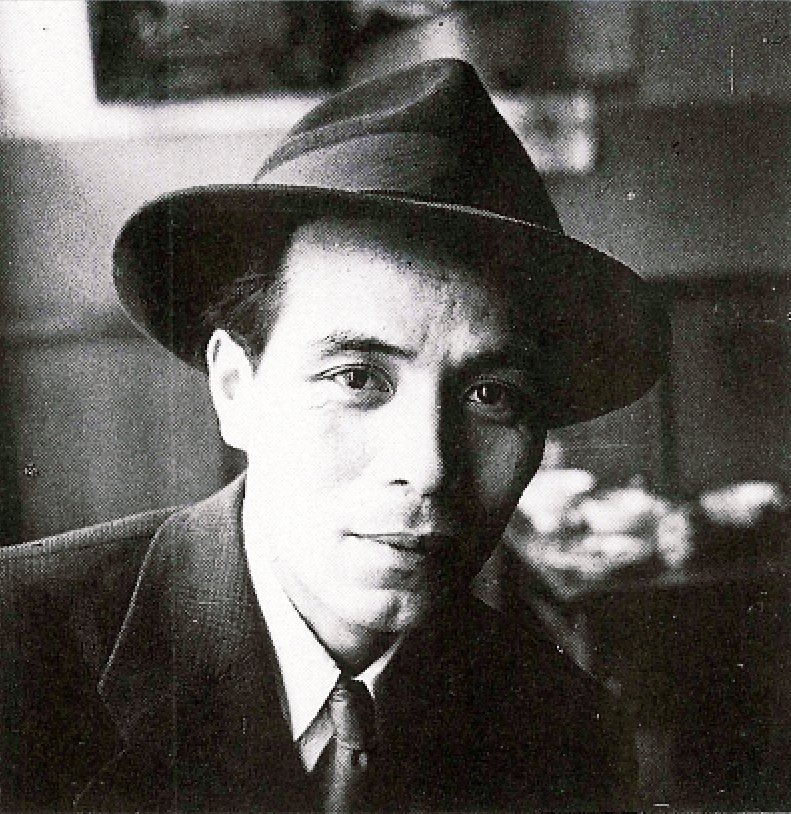
Kazu Otsuka (Kano Otsuka) (1915–1990)
Born in 1915 (Taishō 4) in Tamura, Nankoku City, Kochi Prefecture, as the youngest of nine siblings. His father was a physician, and his older brother also practiced Kampo (traditional Japanese medicine).
After graduating from the Tokyo School of Foreign Languages (now Tokyo University of Foreign Studies), Otsuka joined Eiga Sekai-sha through the introduction of Toyoshi Daikoku. When the company resumed after the war, he returned and became editor-in-chief of Eiga Fan at age 31. At 36, invited by Jūkichi Uno, he joined the theatre company Mingei. In 1951 he produced Mingei Film’s first work, Santa to Hanaogi Sensei (dir. Hideo Suzuki).
In 1955, at age 40, while still with Mingei, he signed a producer contract with Nikkatsu. His first Nikkatsu-produced film was Takeshi Saitō’s directorial debut Nēsan no Oyomeiri (1956). In 1957 the Mingei theatre company’s film division became independent as Mingei Film Company, and Otsuka later served as its president.
In 1963, Hikō Shōjo (The Bad Girl) won the Grand Prix at the 3rd Moscow International Film Festival. In 1968, Kotō no Taiyō (Sun on a Lonely Island) was entered in the 2nd Tashkent International Film Festival. He left Mingei Film Company in 1973. In 1974 he completed the Japan–Soviet co-production Moscow, My Love, a project developed over six years. In 1986 he produced his final film, Umi to Dokuyaku (The Sea and Poison), which received a Special Prize at the Fujimoto Awards. Otsuka passed away in 1990 at age 75 from cerebral thrombosis.
Otsuka produced debut features by ten directors, including:
Mitsuo Wakasugi (Haha no Nai Ko to Ko no Nai Haha to, 1952), Tadashi Morizono (Obāchan Arigatō, 1955), Takeshi Saitō (Nēsan no Oyomeiri, 1956), Kirio Urayama (Kyūpora no Aru Machi, 1962), Hiromi Higuchi (Kemuri no Ōsama, 1963), Shōgorō Nishimura (Keirin Shōnin Gyōjōki, 1963), Kazuo Kabe (Hikō Shōnen, 1964), Toshihachi Fujita (Hikō Shōnen: Hi no De no Sakebi, 1967), Tatsumi Kumashiro (Kaburitsuki Jinsei, 1968), and Kazuhiko Hasegawa (Seishun no Satsujinsha, 1976).
Over his lifetime, he produced 130 films.
Talk Guest
DARTHREIDER (Rapper / MC)
Born in Paris in 1977 and spent his early childhood in London. He entered the University of Tokyo but left to pursue rap full-time. In 2000, he made his major debut as a member of MICADELIC. He has also organized MC battle tournaments, founded the indie label Da.Me.Records, and worked to cultivate young rappers.
In 2010, he collapsed from a stroke while hosting an event; complications later caused blindness in his left eye. He returned to the stage with an eyepatch as his trademark. In 2012, he joined the planning team for “High School Rap Championship,” a segment within BS Sukapa!’s BAZOOKA!!!. His track “5years” drew attention in 2017 for addressing a prognosis that he could die within five years if no action was taken.
His recent book includes Ill Communication: A Rapper with Five Years to Live Thinks Philosophy Through Illness (Life Science Publishing). Documentaries he directed and starred in with Petit Kashima, Senkyonandesu: The Movie and Shin Chimu Dondon, became hits. He has been appointed Special Visiting Faculty in the Department of Human Civilization Studies at the National Museum of Ethnology in Osaka. He also performs internationally as part of Darthreider & The Bassons.
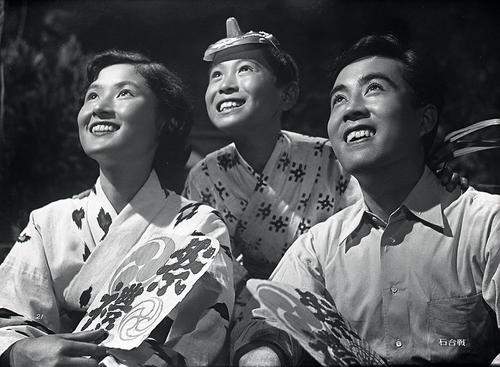 『石合戦』©日活
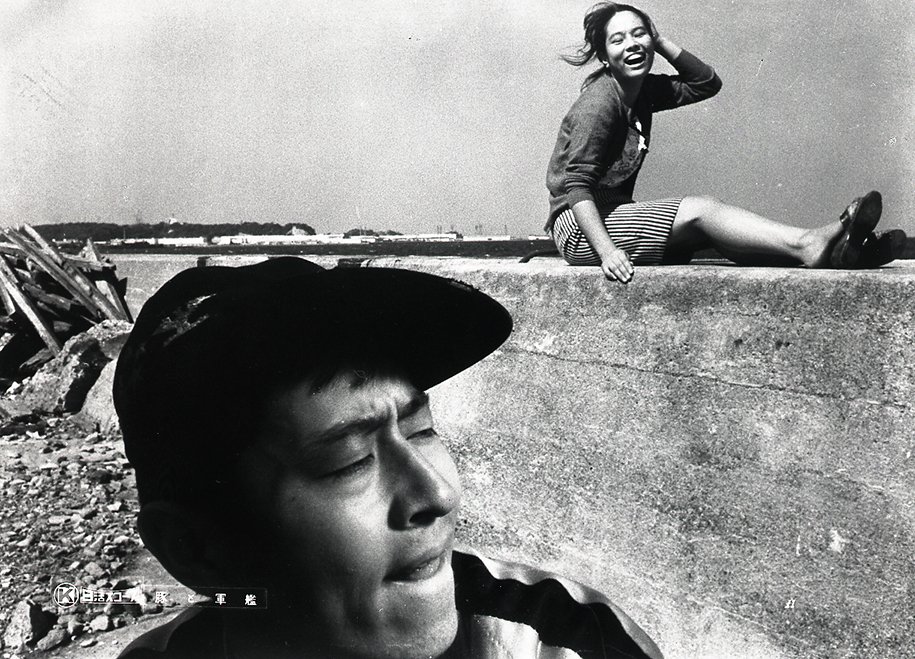 『豚と軍艦』©日活
 『競輪上人行状記』©日活
 『日本列島』©日活
 『愛と死の記録』©日活
 『かぶりつき人生』©日活
 『孤島の太陽』©日活
 『私が棄てた女』©日活
-
 大塚和 氏
大塚和 氏
-
 ダースレイダー氏